
Professional detailing restores a vehicle’s appearance by removing bonded contaminants, correcting paint imperfections, and deep-cleaning interior materials that regular washing cannot address. Over time, environmental exposure, UV rays, road grime, and interior wear gradually reduce a car’s clarity and finish. Detailing reverses these effects through structured cleaning, refinement, and protection processes that restore both appearance and surface integrity.
Unlike basic washing, detailing goes deeper, addressing microscopic defects and embedded contaminants that dull paint and degrade interior materials. The result is a measurable improvement in gloss, texture, cleanliness, and long-term protection.
When a Vehicle Starts Showing Signs of Wear
Most vehicles do not suddenly appear dirty; instead, they degrade gradually through repeated exposure to environmental and usage conditions. This slow accumulation often goes unnoticed until the vehicle appears noticeably dull or aged.
Common indicators include rough paint texture after washing, persistent haze on the clear coat, water spots that resist removal, and interior surfaces that feel greasy or worn. Headlight clouding and fading trim are also early warning signs of surface oxidation.
In Clearwater Beach, a daily-driven sedan exhibited advanced surface contamination due to coastal moisture and airborne debris. While routine washing improved surface cleanliness, it failed to restore reflectivity or smoothness, indicating deeper contamination was bonded to the paint layer.
At this stage, car detailing in Austin, TX, style correction processes become necessary because surface-level cleaning alone cannot restore clarity or gloss.
What Professional Detailing Actually Does
Professional detailing is a structured restoration system rather than a cosmetic cleaning service. It follows a step-by-step process designed to safely refine surfaces and restore them to a near-original condition.
The exterior process typically begins with a foam pre-wash to loosen contaminants without scratching the surface. This is followed by a contact wash using pH-balanced shampoo that preserves existing protective layers. After cleaning, a clay-bar decontamination stage removes embedded particles, such as brake dust, tar, and industrial fallout.
Once the surface is fully decontaminated, machine polishing is used to correct swirl marks, oxidation, and haze. This step restores optical clarity by leveling imperfections in the clear coat. Finally, a protective layer is applied to preserve results and enhance gloss.
In Island Estates, an SUV that had undergone years of automated tunnel washing showed heavy swirl marks and dull paint. After correction, the finish regained the depth and clarity lost over time, demonstrating the effectiveness of structured refinement.
This type of Austin car detailing approach focuses on restoring surface integrity rather than masking defects with temporary shine products.
Interior Restoration and Cabin Reset
Interior deterioration occurs gradually through constant contact, exposure to humidity, spills, and airborne contaminants. These elements accumulate in upholstery fibers, leather surfaces, and ventilation systems, creating odors, discoloration, and material fatigue.
A professional interior detail goes far beyond vacuuming. It begins with the deep extraction of carpets and seats to remove embedded debris. Steam cleaning is then used to sanitize surfaces and break down stubborn residue. Leather is conditioned to restore flexibility and prevent cracking, while plastics and trims are treated with UV protection to slow fading.
Odor removal is also an important part of the process, often requiring enzymatic treatments or ozone-based neutralization, depending on severity.
In Clearwater Countryside, a family SUV required full interior restoration after sand, food particles, and moisture had become embedded in seat fibers. Standard cleaning methods were ineffective, but full extraction and steam treatment restored both cleanliness and odor balance.
This level of restoration is commonly associated with Austin, TX car detailing, where interior condition is treated as a core component of overall vehicle value rather than a secondary cleaning step.
Paint Correction and Surface Refinement
Exterior paint degradation is primarily caused by swirl marks, oxidation, and microscopic surface defects that distort light reflection. These imperfections reduce gloss and make even clean vehicles appear dull.
Paint correction is the process of safely removing or reducing these defects through controlled machine polishing. The process typically involves multiple stages, starting with heavier correction to remove deeper imperfections, followed by refining passes that restore clarity and smoothness.
Decontamination is required before polishing to ensure no bonded particles interfere with correction. Once polishing is complete, the paint surface reflects light evenly again, restoring depth and gloss.
This transformation is structural rather than cosmetic. It changes how light interacts with the paint surface by leveling microscopic inconsistencies.
A properly corrected finish results in improved reflectivity, sharper visual depth, and a more uniform appearance across all panels.
Protective Coatings and Long-Term Maintenance
After correction, protection is essential to preserve results and prevent rapid recontamination. Without protection, newly corrected surfaces can quickly accumulate damage from UV exposure, road grime, and environmental fallout.
Two primary protection methods are used in modern detailing systems: synthetic sealants and ceramic coatings.
Sealants provide short-term protection, enhance gloss, and offer hydrophobic properties that repel water. Ceramic coatings, however, chemically bond to the paint surface, creating a more durable protective layer that can last significantly longer.
Ceramic coatings reduce oxidation, improve chemical resistance, and make routine maintenance easier by preventing contaminants from bonding strongly to the surface.
In Clearwater Beach, coated vehicles consistently showed better long-term gloss retention and reduced maintenance requirements compared to untreated finishes.
For clients seeking car detailing in Austin with level results, ceramic protection is often the final step after correction to lock in appearance improvements and extend durability.
Why Technique Matters More Than Products
One of the most misunderstood aspects of detailing is the assumption that results depend solely on product quality. In reality, technique is the determining factor in both safety and outcome.
Professional detailers evaluate paint hardness, clear coat thickness, and material sensitivity before selecting correction methods. This ensures that polishing is controlled and does not remove excessive clear coat, which would permanently damage the finish.
Interior materials are also assessed for compatibility with cleaning agents to prevent discoloration or drying.
This structured evaluation process ensures that every vehicle receives a tailored approach rather than a one-size-fits-all treatment.
Experience, restraint, and technical understanding are what separate professional detailing from surface-level cleaning services.
Maintenance Strategy After Detailing
Once a vehicle has been professionally restored, maintenance determines how long the results will last. Proper care prevents recontamination and preserves both gloss and protection layers.
Recommended maintenance practices include hand washing with microfiber materials, using pH-neutral soaps, avoiding automated brush systems, and performing light interior cleaning on a regular schedule. Periodic inspections also help identify early signs of wear before they become significant issues.
Consistent maintenance ensures that corrective work remains effective for extended periods and that protective coatings continue to perform as intended.
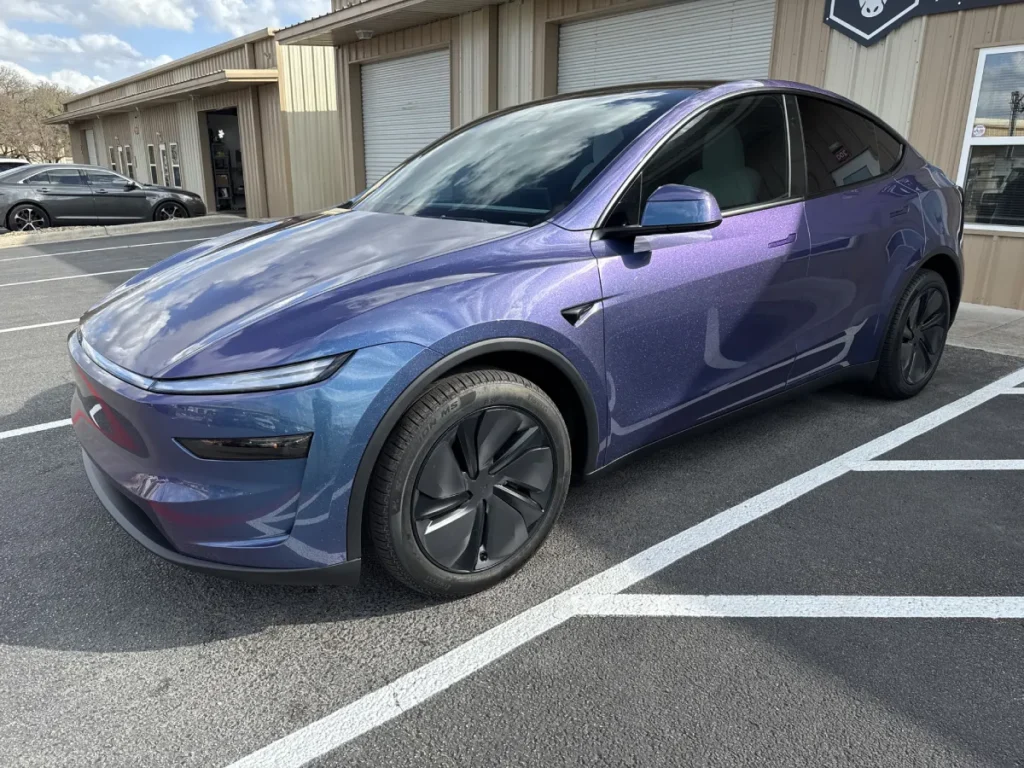
Methodology Framework (General Industry Standard)
While proprietary systems vary between professionals, most high-quality detailing workflows follow a structured sequence:
- Initial inspection and surface evaluation
- Exterior and interior decontamination
- Mechanical correction (polishing stages)
- Surface refinement and finishing passes
- Protective coating application
- Maintenance guidance and follow-up care
This structured approach ensures consistency, safety, and repeatable results across different vehicle conditions.
Why Professional Detailing Delivers Lasting Value
Professional detailing is not simply about appearance; it improves long-term vehicle condition, preserves resale value, and enhances driving satisfaction. Clean, refined surfaces are easier to maintain and less prone to long-term degradation.
By addressing both visible and microscopic defects, detailing restores the vehicle to a condition that cannot be achieved through routine cleaning alone.
If your vehicle is showing signs of wear, dull paint, or interior buildup, professional detailing can restore its condition through a structured restoration process that goes far beyond basic cleaning, such as the services offered by Taurus Auto Detailing, which focuses on reviving both exterior finish and interior cleanliness through thorough, step-by-step detailing procedures.
For expert-level service and consistent results, contact us today to schedule a full vehicle restoration and experience a higher standard of detailing care.
People Also Ask
How long does professional detailing last?
Results typically last several months to over a year, depending on maintenance habits, driving conditions, and whether protective coatings are applied.
Can detailing remove scratches completely?
Light swirl marks and surface defects can usually be removed, while deeper scratches may only be reduced, depending on the clear coat depth.
Is professional detailing worth it for older vehicles?
Yes, older vehicles often experience the most noticeable improvement because correction removes years of oxidation and buildup.
What is included in a full detailing service?
A full detail typically includes exterior decontamination, paint correction, interior deep cleaning, and protective finishing layers.