
To maximize protection and long-term value, you should apply paint protection film (PPF) first to your car’s high-impact “strike zones”: the front bumper, hood, front fenders, and side mirrors. These areas take the majority of abuse from road debris, insects, and environmental contaminants. Prioritizing them ensures you prevent the most visible and costly damage without committing to a full-body wrap.
Why Strategic Coverage Matters More Than Full Coverage
Many vehicle owners assume that more coverage automatically equals better protection. In reality, paint damage follows predictable physical patterns based on airflow, speed, and road conditions. This means you can achieve maximum protection efficiency by focusing on the areas most exposed to impact.
As your vehicle moves forward, it effectively collects airborne debris. Rocks, sand, and particles kicked up by other vehicles travel in arcs that primarily strike the front-facing surfaces. These repeated impacts degrade your clear coat over time, eventually leading to paint failure.
For drivers researching paint protection film in Austin, understanding this pattern is critical. It allows you to invest intelligently rather than overspending on low-risk areas that rarely sustain damage.
The Core Strike Zones You Should Always Protect First
Front Bumper: The Highest-Risk Surface
The front bumper is the most vulnerable panel on your vehicle. Its low position and wide surface area make it the first point of contact for road debris. Even short highway drives can result in dozens of micro-impacts that slowly degrade the paint.
Beyond rock chips, the bumper also collects:
- Bug splatter (highly acidic)
- Road salt and grime
- Tar and oil residues
Over time, these contaminants can etch into the clear coat, causing permanent staining or texture changes. Because bumpers are complex in shape, repainting them to factory standards is both difficult and expensive, making protection a far better option.
Hood: Where Impact Becomes Damage
The hood, particularly its leading edge, is another high-priority zone. Its angled surface increases the likelihood that debris will strike with enough force to cause deep chips rather than superficial marks.
Partial hood coverage is sometimes offered as a budget option, but it often creates a visible line across the paint. Full hood coverage is generally preferred because:
- It maintains a uniform appearance
- It prevents uneven wear patterns
- It eliminates edge visibility
Owners comparing paint protection film in Austin, TX, often find that upgrading to a full hood wrap provides significantly better long-term results.
Front Fenders: The Overlooked Impact Zone
Fenders sit at a unique angle relative to the road, making them especially vulnerable to debris kicked up during turning or lane changes. While they don’t receive as much direct impact as the bumper, they still accumulate noticeable damage over time.
Protecting the fenders ensures a seamless transition between panels, preventing mismatched wear that can make a vehicle look older than it is.
Side Mirrors: Small Surface, High Exposure
Side mirrors extend outward from the vehicle, placing them directly in the path of airborne debris. Despite their small size, they often show significant wear due to:
- Constant wind exposure
- Bug impacts
- Gravel strikes
Because mirrors are highly visible, even minor damage can affect your car’s overall appearance. Applying PPF here is a low-cost, high-impact upgrade.
Secondary Areas That Add Long-Term Value
Rocker Panels: Self-Inflicted Damage Zone
Rocker panels, located between the front and rear wheels, are frequently damaged by debris thrown from your own tires. This type of wear is often more aggressive because the debris is propelled at high velocity from close range.
Protecting this area is especially important if you:
- Drive on gravel roads
- Commute long distances
- Own a performance or low-clearance vehicle
Door Edges: Everyday Protection
Door edges are susceptible to chips from accidental contact with:
- Walls
- Parking lot pillars
- Other vehicles
A thin strip of film can prevent these common, frustrating paint chips.
Door Cups: High-Touch Wear Zone
The area behind door handles accumulates scratches from fingernails, rings, and keys. While not caused by road debris, this wear is highly visible and can make a car feel prematurely aged.
Evaluating Austin paint protection film packages, including these high-touch areas, is a practical way to maintain a like-new appearance.
Comparison: Choosing the Right Level of Coverage
| Coverage Type | Protection Level | Cost Efficiency | Visual Outcome | Ideal Use Case |
| Bumper Only | Moderate | High | Seamless | Entry-level protection |
| Partial Front | Moderate | Medium | Visible seams | Budget-focused owners |
| Full Front Package | High | Best ROI | Seamless | Most drivers |
| Full Vehicle Wrap | Maximum | Low | Seamless | Luxury/exotic cars |
For most drivers, a full front package offers the best balance between cost and protection.
Applying an Impact-Focused Approach to Paint Protection Film
Applying a structured, impact-focused approach to paint protection film (PPF) installation ensures it’s treated as a functional defense system rather than a purely cosmetic upgrade.
This approach emphasizes:
- Forward exposure: Surfaces most directly exposed to incoming debris
- Impact angles: Panels are more likely to receive direct or penetrating hits
- Material sensitivity: Areas where paint may be thinner or more vulnerable
- Repeat contact zones: Sections subject to ongoing friction and wear
By evaluating these factors, protection can be prioritized where it delivers the most practical benefit. This type of diagnostic methodology helps distinguish thoughtful, high-quality installation strategies from generic, one-size-fits-all package offerings.
Common Industry Myth (Debunked)
Myth: “Full-body PPF is the only way to properly protect your car.”
Reality:
Most real-world paint damage occurs on less than half of the vehicle’s surface area. A strategically applied front-end package can prevent most visible wear while costing significantly less.
Full wraps are beneficial for:
- Show cars
- Exotic vehicles
- Long-term collectors
But for daily drivers, they often represent diminishing returns.
The Science Behind Paint Protection Film
Understanding how PPF works helps explain why strategic placement is so effective.
Material Composition
Thermoplastic Polyurethane (TPU):
- Flexible and impact-resistant
- Absorbs and disperses energy from debris
Self-Healing Top Coat
- Eliminates light scratches with heat
- Maintains a smooth, glossy finish
Adhesive Layer
- Optically clear for invisibility
- Can minimize the appearance of minor imperfections
Performance Benefits
- Protects against UV damage
- Resists chemical staining
- Reduces maintenance effort
This multi-layer construction transforms your vehicle’s most vulnerable surfaces into durable, impact-resistant zones.
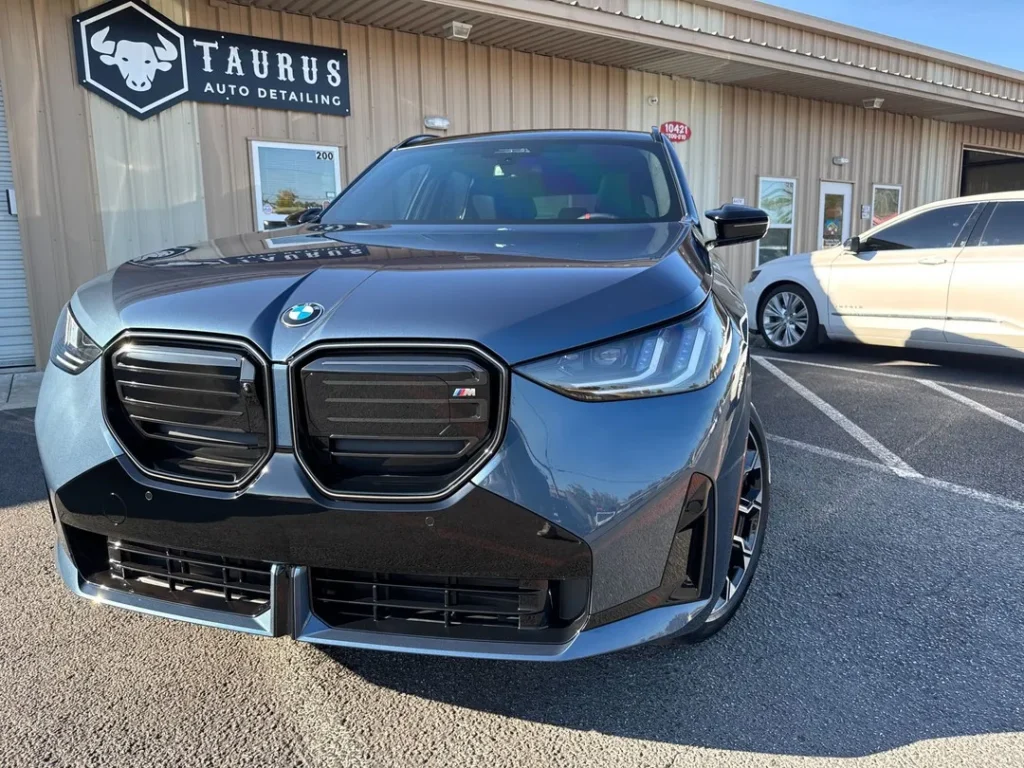
Professional Installation vs DIY: What Actually Matters
Professional Installation
A professional installer ensures:
- Proper surface preparation
- Precision alignment
- Edge wrapping for seamless appearance
- Long-term durability
DIY Installation
While DIY kits are available, they often result in:
- Visible seams
- Air bubbles
- Reduced lifespan
Because PPF performance depends heavily on installation quality, professional application is typically the better long-term investment.
Financial Logic: Why Front-End Protection Pays Off
From a cost perspective, protecting high-impact areas delivers measurable returns:
- Repainting a hood or bumper can cost more than protecting both
- Factory paint maintains a higher resale value than aftermarket paint
- Visible damage reduces buyer confidence during resale
A well-maintained front end signals that the vehicle has been properly cared for, which can directly impact its market value.
Maintenance: Keeping Your Protection Effective
Once PPF is installed, maintenance becomes simpler:
- Wash regularly using proper automotive soap
- Avoid aggressive chemicals
- Keep high-pressure water away from edges
- Periodically inspect for lifting or wear
Because the film is non-porous, contaminants are easier to remove, reducing the effort required to keep your vehicle clean.
In Summary
Taurus Auto Detailing emphasizes that the most effective way to protect your vehicle isn’t by covering every surface, it’s by protecting the right areas first. By prioritizing high-impact zones like the bumper, hood, fenders, and mirrors, you safeguard against the majority of real-world paint damage while keeping the solution cost-efficient.
If you want a precise, no-pressure assessment of your vehicle’s true risk zones, schedule a professional consultation. A targeted PPF strategy will protect your investment, preserve your paint, and help you avoid unnecessary expenses.
Frequently Asked Questions:
Does paint protection film hide scratches?
It can reduce the visibility of very fine scratches but does not hide deep chips or damage.
How long does paint protection film last?
Most high-quality films last between 5 and 10 years with proper care.
Can it be removed?
Yes, it can be safely removed without damaging factory paint when done professionally.
Is partial coverage worth it?
Yes. Even limited coverage, especially on the bumper, provides meaningful protection.
Will it change the appearance of my car?
No. High-quality PPF is optically clear and maintains the original paint finish.
How should I wash a car with PPF on it?
Use a gentle hand wash method and avoid directing high-pressure water at the film edges.