
If your car window tint is bubbling or peeling, it’s usually due to improper installation, trapped moisture, heat exposure, or the material’s natural aging. Understanding the root cause allows you to take the right action to restore a smooth, clear finish and prevent further damage. The good news is that many of these issues can be fixed quickly with proper care or professional assistance.
Common Causes of Window Tint Bubbling or Peeling
1. Improper Installation
Improper installation is one of the leading causes of bubbling and peeling. Even a high-quality film will fail if the window surface is not cleaned thoroughly. Dust, oil, and residue can interfere with the adhesive, creating small air pockets that eventually expand into noticeable bubbles.
Other installation errors include applying the film too quickly, uneven pressure while smoothing, or trimming edges incorrectly. These mistakes often result in peeling corners or visible bubbling along window edges.
During inspections in Pflugerville, technicians noticed that many small bubbles were linked to overlooked dirt or residual moisture during installation. This is why choosing a reputable installer is critical to avoiding early issues with your tint.
2. Moisture Trapped Under the Film
Moisture is another common reason for bubbling. Humidity during installation, condensation, or washing windows too soon after tinting can all trap water between the glass and the film. Even a few tiny drops can create visible blisters that worsen over time.
If your car is frequently parked in damp or humid conditions, trapped moisture can become a persistent problem. In Pflugerville’s climate, which can experience sudden changes in humidity, this is often the main factor in early bubbling.
Small bubbles from moisture may appear immediately or take days to develop, so paying attention to when the problem begins can help pinpoint the cause. Regular inspections can prevent minor issues from growing into larger problems that require complete replacement.
3. Extreme Heat or Sun Exposure
Heat is a major factor in window tint deterioration. High temperatures cause both the glass and the tint film to expand and contract, weakening the adhesive over time. This can lead to large bubbles that spread across the window or peel at the edges.
Vehicles parked in direct sunlight consistently or in enclosed areas where heat builds up are particularly at risk. Even a correctly installed tint can fail if it is subjected to prolonged heat stress without periodic maintenance.
Using shading methods, like covered parking or sunshades, can help reduce this risk. For vehicles in Pflugerville, monitoring the effect of summer heat on window films can prevent extensive bubbling before it starts.
4. Age and Wear
Window tint naturally degrades over time. UV exposure, repeated temperature changes, and normal wear weaken the adhesive and the film material. Tints that are five to ten years old may begin to peel at the edges or develop bubbling in areas where the adhesive has lost effectiveness.
Aging tint may also appear cloudy, discolored, or uneven. Regularly inspecting your vehicle’s tint lets you catch signs of aging early, giving you the option to repair or replace sections before the problem worsens.
5. Low-Quality or Defective Film
While installation and environmental factors are usually the main causes of failure, low-quality or defective films can also contribute to failure. Variations in adhesive coverage, inconsistent thickness, or manufacturing defects can lead to bubbles even when the installation is correct.
This is why choosing a trusted provider for window tinting in Pflugerville matters. Reliable film and proper installation greatly reduce the risk of bubbling or peeling over time.
How to Identify the Problem: Comparison Table
| Symptom | Likely Cause | Quick Test/Check |
| Small, isolated air bubbles | Trapped moisture | Press gently; if it spreads, moisture is likely |
| Large, spreading bubbles | Heat damage | Inspect on a hot day to check expansion |
| Edges peeling | Poor installation | Check corners for loose adhesive |
| Cloudy or discolored areas | Aging or defective film | Compare with other tinted windows |
| Streaks or residue | Improper cleaning | Clean the window with a microfiber cloth |
Using this table, you can quickly diagnose the issue and determine whether it’s a minor fix or requires professional attention.
Fast Fixes for Bubbling or Peeling Tint
1. Remove and Reinstall Small Sections
Minor bubbles at corners or edges can often be corrected by carefully peeling back the affected area. Thoroughly clean the window with a non-abrasive cleaner, then reapply the film with a squeegee, pressing out air from the center outward. This method is effective for bubbles caused by installation errors or small amounts of trapped moisture.
2. Use Heat for Small Air Pockets
A heat gun or hair dryer, applied from a safe distance, can soften the adhesive, allowing you to smooth out tiny air pockets with a squeegee. Always use gentle heat and avoid overheating, which could damage the film or glass.
3. Professional Repair
For extensive peeling or large bubbles, professional replacement may be the best solution. Experts remove the old film and apply a new layer correctly to ensure a long-lasting bond. In Pflugerville, professional teams have repaired multiple vehicles with peeling corners and bubbling edges, demonstrating that proper technique is crucial for a durable result.
Many drivers in the area have found that investing in professional window tinting in Pflugerville, TX, services prevents recurring problems and extends the life of their tint.
4. Preventive Maintenance
Regular maintenance can prevent minor issues from turning into major problems. Avoid washing windows immediately after installation, use soft microfiber cloths and non-abrasive cleaners, and inspect your tint periodically.
For residents of Pflugerville, preventive care is especially important due to the high summer heat and occasional humidity spikes. Routine inspection and care by a professional Pflugerville window tinting service can extend the life of your tint and maintain a flawless appearance.
Applying This to Solve the Problem
To address bubbling or peeling effectively, follow this step-by-step workflow:
- Inspect the Affected Windows
Examine the tint carefully for bubbles, peeling corners, streaks, or cloudy areas. - Determine the Cause
Using the comparison table, identify whether moisture, heat, aging, or installation errors are responsible. - Choose the Right Fix
- Minor bubbles: smooth with heat or reinstall small sections.
- Major peeling or widespread bubbles: consider full replacement by a professional.
- Implement Preventive Measures
Avoid washing windows immediately; use gentle cleaning tools, and schedule periodic inspections to catch issues early.
By following these steps, vehicle owners in Pflugerville can maintain their tint for years, prevent damage, and avoid costly replacements.
Debunking a Common Industry Myth
Myth: “All bubbling is caused by cheap film.”
Reality: While low-quality tint can contribute to failure, even high-quality film can bubble if improperly installed or exposed to extreme conditions. Moisture, heat, and poor surface preparation are often bigger factors than the brand or cost. Choosing an experienced installer and properly maintaining the tint are more important than selecting a specific product.
In Summary
Bubbling or peeling window tint is frustrating but usually fixable. Common causes include poor installation, moisture, heat exposure, aging, and occasional film defects. Using diagnostic tables, proper fixes, and preventive care, most drivers can restore and maintain a smooth, clear tint.
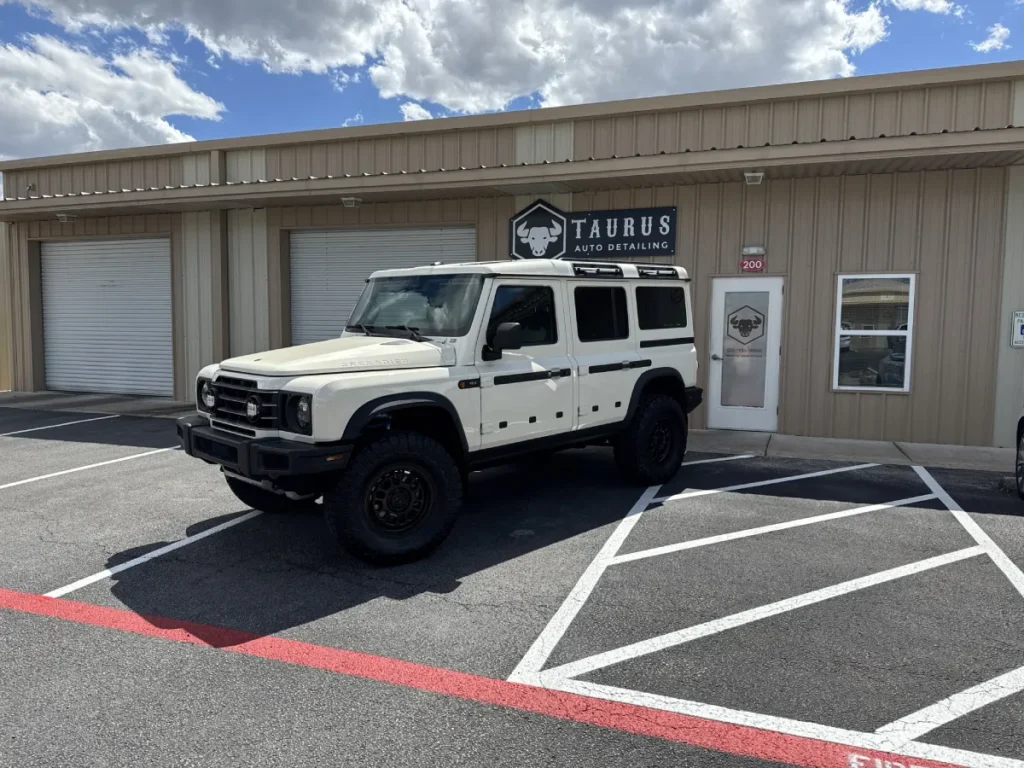
In Pflugerville, regular inspections, professional installation, and careful maintenance are key to keeping your tint in top condition, something Taurus Auto Detailing emphasizes with every service. These steps help ensure your windows stay protected, look great, and last for years. Whether addressing minor bubbles yourself or consulting a professional, understanding the causes and solutions is essential for achieving long-lasting, flawless window tint. Contact us today to learn more or schedule your service.
People Also Ask
Q: Can I fix window tint bubbles myself?
A: Minor bubbles can sometimes be smoothed with heat and a squeegee, or by peeling and reinstalling a small section. Extensive peeling usually requires professional replacement.
Q: Why does window tint peel at the edges?
A: Edge peeling is usually caused by poor installation, dirt on the glass, or adhesive breakdown over time.
Q: How long does car window tint last?
A: Most high-quality window tints last 5–10 years, depending on sun exposure, climate, and care.
Q: Does heat damage all types of tint?
A: Heat affects all films to some degree, but improper installation or trapped moisture can make damage worse.