
Paint protection film (PPF) provides superior impact resistance compared to traditional waxes and paint sealants because its thick, elastomeric polyurethane composition physically absorbs and dissipates the kinetic energy of oncoming road debris. While waxes and sealants form an ultra-thin chemical layer measured in nanometers that only protects against light environmental elements, PPF creates a robust, multi-layered physical barrier that measures several mils in thickness. This structural depth combined with inherent elasticity allows the film to deflect rock chips, gravel, and minor abrasions without transferring the force of the impact to the vehicle’s underlying factory clear coat.
Kinetic Energy Dissipation and Elongation Mechanics
When a stone or piece of loose gravel is kicked up by a leading vehicle, it carries significant kinetic energy. The formula for kinetic energy emphasizes that velocity squared dictates the force of impact. When this projectile strikes a vehicle protected only by a traditional wax or paint sealant, the micro-thin barrier instantly fails. The energy is transferred directly into the brittle factory clear coat, resulting in a microscopic fracture or a classic “rock chip” that exposes the underlying base paint or primer.
Paint protection film relies on advanced polymer physics to mitigate this transfer of force. The core layer of the film is composed of thermoplastic polyurethane, which exhibits exceptional elongation and tensile strength properties. When an object impacts the PPF, the elastomeric nature of the polyurethane allows the film to flex and stretch dynamically. Rather than resisting the impact rigidly which causes materials to crack, the film yields slightly, spreading the kinetic energy across a much wider lateral surface area. This process of energy dissipation drastically reduces the localized pressure experienced by the clear coat beneath, ensuring that the paint remains completely unmarred.
Structural Comparison of Automotive Protection Barriers
- Traditional Carnauba Wax: Protection mechanism: Hydrophobic surface tension. Impact resistance: Negligible.
- Synthetic Paint Sealant: Protection mechanism: Cross-linked polymer matrix. Impact resistance: Minimal.
- Paint Protection Film (PPF): Protection mechanism: Elastomeric polyurethane absorption. Impact resistance: Maximum engineering threshold.
The Thermoplastic Self-Healing Phenomenon
One of the most remarkable advantages of utilizing a thermoplastic polyurethane membrane over a traditional coating is its ability to heal itself from minor abrasions. Traditional waxes and sealants are easily scratched by improper washing techniques, swirling, or flying grit. Once a scratch forms in a wax or sealant layer, that section of the barrier is permanently compromised and must be stripped and reapplied to restore its protective integrity.
Premium paint protection film features an advanced top coat formulated with elastomeric polymers that possess a shape-memory property. When this top coat is subjected to swirling, washing, scratches, or minor impact scuffs, the molecular structure is disturbed but not torn. When exposed to heat, whether from direct sunlight, engine warmth, or warm water, the polymers return to their natural, original state. This self-healing mechanism effectively erases fine lines and maintains a flawless, high-gloss appearance indefinitely, providing a level of dynamic resilience that static liquid protectants simply cannot replicate.
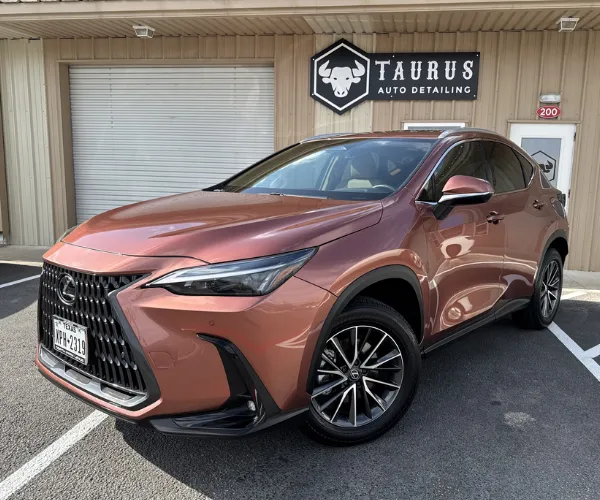
Regional Driving Conditions and Environmental Stressors
Vehicles driven in the varied landscapes of Central Texas face severe environmental stressors that demand robust protection. For instance, commuting regularly along the high-speed corridors surrounding Austin exposes a vehicle’s front bumper, hood, and side mirrors to a constant barrage of loose limestone pebbles, coarse road grit, and construction debris. At highway speeds, these small projectiles function like miniature ballistics, easily penetrating the fragile clear coat of any unprotected vehicle.
Moving toward the Texas Hill Country, navigating rural routes makes paint protection film in Wimberly, TX an indispensable investment. The combination of unpaved shoulders, low-water crossings, and loose gravel creates a continuous hazard zone where standard waxes and sealants quickly degrade, leaving forward-facing surfaces completely vulnerable.
Opting for premium paint protection film in Wimberly ensures that the vehicle retains its factory aesthetic and structural value despite these harsh terrain dynamics. The thick polyurethane shield stands up to the recurrent scrubbing needed to remove baked-on lovebugs and tree sap, preventing these organic compounds from etching into the paint.
Local car enthusiasts and daily commuters recognize that relying solely on temporary surface treatments cannot compare to the heavy-duty defense offered by a dedicated Wimberly paint protection film application.
The Professional Application Standard
Achieving the full potential of these advanced polyurethane films requires a meticulous installation process. At Taurus Auto Detailing, we position ourselves as your ultimate partner in auto care. The process begins with multi-stage decontamination and machine paint correction to ensure the clear coat is entirely free of defects before bonding.
The execution is handled by our highly skilled technicians who master complex body contours using computer-guided templates and custom hand-bulk installations for an invisible fit. We select only superior quality materials that resist yellowing, blistering, or degrading under intense heat and UV radiation over extended lifecycles.
Our business model centers on delivering completely tailored services matched to each owner’s specific driving habits and aesthetic preferences. This unwavering dedication to precision allows us to achieve unmatched customer satisfaction and long-term asset preservation. By blending innovative and expert techniques within pristine cleanroom environments, we deliver a finished product that sets a benchmark in automotive preservation.
People Also Ask
Can you apply wax or a paint sealant over paint protection film? Yes, you can apply certain specialized waxes or ceramic sealants over paint protection film, provided they do not contain abrasive compounds, naphtha, or kerosene, which can degrade the polyurethane top coat. However, modern premium PPF already includes a highly hydrophobic top coat, making traditional waxes largely unnecessary.
How long does paint protection film last compared to a sealant? Traditional waxes last 1 to 3 months, and high-quality synthetic paint sealants can last 4 to 6 months before requiring reapplication. In stark contrast, a professionally installed premium paint protection film is backed by a manufacturer warranty lasting 5 to 10 years, defending against yellowing, cracking, and staining.
Does paint protection film alter the original look of the vehicle’s paint? High-quality, optically clear paint protection film is completely transparent and designed to enhance the vehicle’s natural gloss finish without altering the color depth. For owners seeking a unique aesthetic, specialized matte or satin-finish films are also available to transform glossy factory paint into a smooth, frosted appearance.
Protect Your Investment with Taurus Auto Detailing
Your vehicle is more than just a mode of transportation; it is an extension of your lifestyle and a significant financial investment. At Taurus Auto Detailing, we are professional and deeply passionate about perfection, striving to exceed expectations with a strong focus on quality and exceptional care. Do not let road debris and harsh environmental elements diminish the value and beauty of your car. Experience the ultimate peace of mind and drive with confidence knowing your vehicle looks and feels its absolute best.
Ready to give your vehicle the premium protection it deserves? Contact us today to book an appointment with our elite team.