
Ceramic coating helps protect automotive paint from UV damage by adding a bonded protective layer that limits exposure to ultraviolet radiation, oxidation, and environmental contaminants. This added layer helps preserve the paint’s gloss and color while making the surface more resistant to the conditions that can cause fading and deterioration.
Why UV Exposure Causes Car Paint to Fade
Constant UV exposure gradually oxidizes car paint, stripping away gloss and causing fading. Combined with heat, moisture, bird droppings, and road grime, this solar damage accelerates paint degradation, especially on vehicles parked outdoors. Because this breakdown happens slowly, applying preventative paint protection early is essential to maintaining the clear coat before visible damage takes hold.
How Ceramic Coating Helps Protect Against UV Damage
Ceramic coating creates a protective layer over properly prepared automotive paint. Unlike a conventional wax that is periodically removed and reapplied, a professional ceramic coating is designed to bond with the prepared surface.
This protective layer helps reduce the direct environmental exposure that contributes to oxidation and fading. For vehicle owners researching ceramic coating in Wimberly, TX, UV protection is one of the primary reasons to consider adding a ceramic coating to a vehicle-care routine.
The coating does not make automotive paint immune to sunlight. Instead, it provides an additional line of defense between the paint and the environmental conditions it encounters every day.
That distinction matters because ceramic coating works best as part of a complete maintenance strategy. Regular washing, proper drying, appropriate aftercare, and reducing unnecessary sun exposure can all support the coating and the underlying paint.
What Happens When Paint Is Left Unprotected?
Repeated sunlight can contribute to oxidation, which changes the condition and appearance of exposed automotive paint. As the paint system deteriorates, the finish can lose some of its original depth and gloss.
Older or poorly maintained paint may begin to look dull, hazy, or chalky. Once significant oxidation or other paint defects develop, simply applying a protective product may not restore the finish.
Environmental contaminants can make the situation worse. Bird droppings, tree sap, water deposits, road film, and airborne pollutants can remain on the surface and cause staining or etching when they are not removed promptly.
This is why paint protection should begin with proper surface care rather than waiting until visible deterioration becomes severe.
Why Surface Preparation Matters
A ceramic coating should not be applied over a dirty or poorly prepared surface. Contaminants, oxidation, water spots, and existing paint defects can affect the appearance and bonding of the finished coating.
Professional preparation can include:
- Thorough exterior washing
- Removal of bonded contaminants
- Clay treatment when necessary
- Paint inspection
- Polishing or paint correction when appropriate
- Final surface preparation
- Controlled coating application
The goal is to create a clean, smooth surface that is ready for the coating.
For drivers considering Wimberly ceramic coating, this preparation is an important part of the service rather than an optional cosmetic step. The condition of the paint directly affects how the finished coating looks and how effectively it bonds to the surface.
What Other Benefits Does Ceramic Coating Provide?
UV protection is only one reason owners choose ceramic coating. The protective layer can also change how the vehicle responds to everyday contamination and routine washing.
- Environmental Resistance: Adds a protective barrier against staining from bird droppings, tree sap, and road grime.
- Easier Maintenance: Hydrophobic properties cause water to bead, releasing dirt effortlessly during routine washes.
- Enhanced Gloss: Enhances paint depth and shine on properly prepared surfaces.
- Oxidation Defense: Shields paint from UV-driven fading and surface degradation.
How Maintenance Affects Coating Performance
Professional ceramic coatings require routine care to perform at their best. To maximize lifespan and protect your finish, follow these core maintenance habits:
- Wash Regularly: Use safe, non-abrasive washing techniques to gently remove accumulated road film, dirt, and dust.
- Promptly Remove Contaminants: Clear away bird droppings, tree sap, and bug splatter immediately to prevent clear coat etching.
- Park Smartly: Minimize direct sunlight and heat exposure by parking in a garage or shaded area whenever possible.
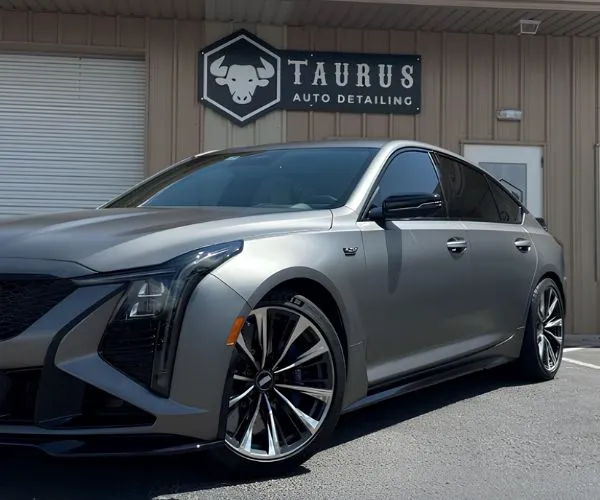
Taurus Auto Detailing’s Approach to Ceramic Coating
Taurus Auto Detailing’s service philosophy can be summarized through its proprietary, ultimate partner in auto care, highly skilled technicians, superior quality materials, tailored services, unmatched customer satisfaction, and innovative and expert techniques.
These phrases are not simply marketing descriptions. Together, they explain how Taurus Auto Detailing approaches vehicle care.
- Your Ultimate Partner in Auto Care: Tailors recommendations to your vehicle’s specific condition, usage, and appearance goals rather than pushing generic packages.
- Highly Skilled Technicians: Ensures expert execution through thorough decontamination, paint inspection, precision polishing, controlled coating application, and proper curing.
- Superior Quality Materials: Uses premium, effective products selected specifically for your paint’s unique needs and safety.
- Tailored Services: Customizes preparation and application levels based on the vehicle’s age, paint quality, and surface defects.
- Unmatched Customer Satisfaction: Prioritizes clear communication, meticulous craftsmanship, and long-term client trust.
- Innovative & Expert Techniques: Combines modern technical knowledge with precise execution for maximum coating durability and performance.
How Long Can Ceramic Coating Protect Car Paint?
The lifespan of a ceramic coating depends on the coating product, installation quality, environmental exposure, and maintenance. Professional ceramic coatings can provide protection for several years, but their performance should not be measured by time alone.
A vehicle that is regularly exposed to direct sunlight, outdoor parking, road contaminants, and harsh weather may place greater demands on its coating than a vehicle stored indoors and driven occasionally.
Maintenance therefore plays a major role. Regular washing and appropriate aftercare help prevent contaminants from accumulating and allow the hydrophobic properties of the coating to continue working effectively.
Owners should also follow the care recommendations provided after installation rather than assuming the coating can be neglected once it has cured.
Is Ceramic Coating Worth It for a Daily-Driven Vehicle?
For a daily-driven vehicle, ceramic coating can make sense when the owner’s priorities include paint preservation, easier maintenance, and maintaining a polished exterior appearance.
Daily driving exposes paint to sunlight, dust, rain, road grime, airborne contaminants, and other conditions that gradually affect the finish. A protective coating adds another layer between those conditions and the painted surface.
It is particularly useful for owners who take pride in their vehicles but do not want exterior maintenance to become a constant chore. The hydrophobic surface can make routine cleaning easier, while the protective layer helps reduce environmental stress on the paint.
The best results come from viewing ceramic coating as one part of an ongoing vehicle-care program rather than as a replacement for washing or proper maintenance.
Frequently Asked Questions
- Does ceramic coating prevent UV damage?
It significantly reduces UV damage by forming a barrier, but it doesn’t make paint completely immune routine maintenance is still required. - Does ceramic coating stop car paint from fading?
Yes, it slows oxidation and fading, though total results depend on sun exposure, product quality, and proper care. - Is ceramic coating better than wax for UV protection?
Yes. Ceramic coatings form a far more durable, long-lasting bond than conventional wax, which wears off quickly. - Can ceramic coating protect oxidized paint?
No. Existing oxidation must be machine-polished and corrected before applying the coating. - Does ceramic coating make a car easier to clean?
Yes. Its hydrophobic surface repels water, allowing dirt and grime to wash off much faster. - Does ceramic coating eliminate the need to wash a car?
No. It makes washing easier, but regular maintenance is still essential to remove surface contaminants.
Protect Your Vehicle’s Paint With Professional Ceramic Coating
Protecting your vehicle’s paint starts with choosing the right process, not simply adding another product to the exterior. Professional preparation, appropriate materials, precise application, and consistent maintenance all contribute to better paint preservation.
Taurus Auto Detailing brings together highly skilled technicians, superior quality materials, tailored services, and innovative and expert techniques to provide a vehicle-care experience built around precision and customer trust.
If you are considering ceramic coating in Wimberly, the team can evaluate your vehicle’s current condition and help determine the appropriate level of preparation and protection.
The objective is straightforward: help you maintain a vehicle that looks its best while giving you greater confidence in how its paint is being cared for.
Ready to protect your vehicle’s finish? Contact us today to discuss your ceramic coating needs and book an appointment.