
Auto detailing protects your vehicle’s paint from daily wear by removing harmful surface contaminants before they etch into the clear coat and applying sacrificial protective layers like synthetic sealants or ceramic coatings. These defensive barriers block UV radiation, repel environmental pollutants, and prevent oxidation that causes clear coat degradation over time. Regular professional care also preserves the hydrophobic properties of the paint surface, ensuring long-term finish integrity and structural preservation.
Understanding Your Vehicle’s Factory Paint Anatomy
Modern automotive paint systems consist of a primer layer, a color base coat, and a microscopic clear coat top layer that is often thinner than a post-it note. Every single day, your vehicle is exposed to harsh environmental factors, abrasive debris, and chemical fallout that systematically degrade this protective top layer. Without routine specialized care, routine daily driving will dull your vehicle’s luster and create permanent finish damage. Investing in top-tier auto detailing in Buda, TX gives your vehicle a proactive defense system against relentless environmental degradation.
The Invisible Hazards Threatening Your Clear Coat
Every time you hit the road, your vehicle’s exterior becomes a target for airborne contaminants, road debris, and corrosive compounds. Understanding how these elements interact with your clear coat is essential for recognizing the value of professional paint preservation.
- UV Radiation & Thermal Heat: Sun exposure breaks down clear coat polymers while heat speeds up oxidation, leading to fading, cracking, and eventual paint failure.
- Organic Acid Etching: Bird droppings, bug splatter, and tree sap bake into the paint under heat, causing permanent chemical etch marks that washing won’t fix.
- Industrial Fallout & Brake Dust: Airborne metallic iron particles lodge in paint pores and rust when exposed to moisture, creating microscopic fractures that degrade the surface.
How Professional Decontamination Restores Clear Coat Integrity
Standard drive-through car washes rely on harsh recycled water and stiff brushes that strip wax and drag surface dirt across your finish, creating thousands of swirl marks. Professional detailing takes a scientific approach to cleansing paint without compromising clear coat health.
- Chemical Decontamination: Specialized pH-neutral iron removers and dedicated solvents dissolve embedded brake dust, tar, and sap without aggressive friction or dulling the top coat.
- Clay Bar Mechanical Decontamination: Synthetic clay bars glide across neutralized paint to lift remaining bonded contaminants, creating a glass-smooth surface.
Pairing these methods ensures protective layers bond directly to clean paint rather than trapped grime.
Correcting Defect Cycles to Prevent Paint Thinning
Daily wear introduces light scratches, wash marring, and swirl marks into the clear coat. These micro-defects refract light unevenly, robbing your car of gloss and creating microscopic valleys where moisture and corrosive contaminants collect.
- Paint Depth Measurement: Digital gauges check clear coat thickness across all panels to keep polishing within safe tolerances and preserve factory paint.
- Multi-Stage Machine Polishing: Specialized compounds and pads level micro-defects to create an optically flat, high-gloss finish without removing excess clear coat.
Vehicle owners seeking auto detailing in Buda benefit immensely from this stage, as removing deep swirl marks prevents airborne contaminants from settling into fine scratches and initiating premature clear coat degradation.
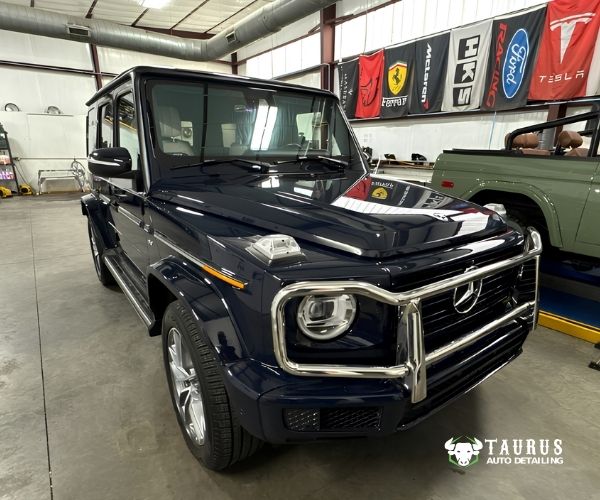
Sacrificial Layers: Building a Defendable Boundary
After decontamination and paint correction, paint protection relies on sacrificial layers. These specialized top coats bear the brunt of environmental weathering so your clear coat does not have to.
| Protection Type | Primary Function | Water Behavior | Protection Duration |
| Carnauba Wax | Enhances warm gloss and optical depth | Hydrophobic (Beading) | Short-Term Defense |
| Synthetic Polymer Sealant | Creates cross-linked polymer matrix for UV defense | High Hydrophobic Angle | Mid-Term Defense |
| Nano-Ceramic Coating | Bonds Si02 nanoparticles to clear coat matrix | Extreme Super-Hydrophobic | Long-Term Defense |
- Synthetic Polymer Sealants: Cross-linked polymers bond tightly to paint to provide heat, detergent, and UV resistance for everyday commuters.
- Nano-Ceramic Coatings: Liquid SiO2/SiC polymers cure onto the clear coat, forming a durable, ultra-hydrophobic layer that repels water, self-cleans grime, and reduces maintenance washes.
Through our tailored services, vehicle owners can select the exact combination of polymer sealants or ceramic systems best suited for their driving habits, vehicle storage conditions, and long-term goals.
Advanced Washing Techniques That Prevent Daily Wear
A significant portion of daily paint wear occurs during improper washing routines. Utilizing proper wash equipment and safe maintenance protocols ensures your protection lasts as long as possible.
- Two-Bucket Wash System: Separate wash and rinse buckets equipped with bottom grit guards trap dislodged dirt, preventing abrasive particles from scratching the clear coat.
- Plush Microfiber Towels: Split synthetic fibers safely lift and channel grit deep into the towel pile instead of dragging it across delicate paint.
Protecting Specialized Vehicle Trim and Accents
Paint protection is only one component of comprehensive exterior care. Modern vehicles feature complex combinations of textured plastic, high-gloss black pillar trim, chrome accents, and specialized rubber weather seals that require specific care.
- Textured Exterior Trim: Unprotected plastic trim fades to grey under UV exposure. Dedicated trim restorers nourish the plastic polymers and apply UV blockers to prevent chalking and dry rot.
- Piano Black Pillars: High-gloss interior and exterior pillar trim is extremely soft and prone to swirling. Precision light polishing and ceramic application protect these delicate panels from micro-marring.
- Rubber Weather Stripping: Conditioning rubber seals keeps them soft and pliable, preventing water leaks, wind noise, and physical tearing along door margins.
Choosing Buda auto detailing guarantees that every exterior component from painted aluminum hoods to delicate rubber gaskets receives tailored preservation treatment.
Long-Term Benefits of Routine Exterior Preservation
Investing in regular auto detailing provides substantial rewards that extend beyond immediate aesthetic appeal:
- Preserved Resale and Trade-In Value: Vehicles with well-maintained paint command significantly higher resale values compared to vehicles with oxidized clear coats or severe acid etching.
- Simplified Maintenance: Hydrophobic coatings make future washing effortless. Dirt releases easily without aggressive scrubbing or harsh chemicals.
- Rust and Corrosion Prevention: Sealed clear coats prevent moisture and road chemicals from contacting underlying metal panels, stopping oxidation before it begins.
- Enhanced Aesthetic Pride: Driving a vehicle with deep, reflective gloss creates a lasting sense of pride and confidence everywhere you go.
Our commitment to unmatched customer satisfaction ensures every detail project is executed to deliver measurable long-term value and visual impact.
People Also Ask
How often should a vehicle receive professional paint protection?
Vehicles exposed to daily highway driving and outdoor parking benefit from sealant applications every few months, whereas ceramic coatings can provide protection for several years when properly maintained with routine washing.
Does auto detailing remove deep scratches from vehicle paint?
Detailing can remove or significantly reduce clear coat scratches that have not penetrated down into the base color coat. If a scratch catches your fingernail, it may require localized touch-up work or advanced repair beyond standard machine polishing.
Is clay bar treatment safe for factory clear coat?
Yes, when performed with an appropriate dedicated lubricant, clay bar treatment safely glides over the clear coat surface to remove embedded dirt without scratching or compromising paint thickness.
What is the difference between vehicle waxing and ceramic coating?
Traditional carnauba wax sits on top of the paint as a temporary organic layer that provides warm gloss. Ceramic coatings form a hard chemical bond with the clear coat, delivering superior UV resistance, scratch resistance, and hydrophobic durability.
Can automatic drive-through car washes damage clear coat protection?
Automatic car washes with spinning brushes often hold abrasive dirt from previous vehicles, causing severe swirl marks and micro-marring. Harsh recycled chemicals used in touchless washes can also strip away existing sealants and protective waxes.
Partner with Taurus Auto Detailing for Exceptional Vehicle Care
Your vehicle represents a significant investment, and maintaining its paint in pristine condition requires dedicated care, precision techniques, and uncompromising quality. At Taurus Auto Detailing, our brand personality is driven by a passion for perfection and a commitment to being your dedicated partner in vehicle care. We treat every car with meticulous attention to detail, using safe, environmentally conscious products and advanced protection methods to deliver results that consistently exceed expectations.
Take the step toward complete vehicle protection today. Contact us today to explore our service options or book your next auto detailing appointment online!