
To maintain paint protection film (PPF) and prevent yellowing, peeling, and edge lifting, car owners should regularly hand wash their vehicle using a pH-neutral, safe car shampoo paired with clean microfiber wash mitts. Avoid high-pressure power washers near film seams, skip abrasive polishes or harsh chemical solvents, and apply a film-safe ceramic coating or specialized PPF sealant every few months to block damaging UV rays and ambient environmental contaminants. Adhering to proper curing windows and routine maintenance guarantees long-lasting clarity, invisible surface protection, and maximum paint preservation.
Understanding Paint Protection Film Care and Durability
Paint protection film (PPF) acts as a high-performance clear shield against stone chips, highway road debris, insect acids, and severe weather conditions. Modern thermoplastic polyurethane (TPU) films feature self-healing top coats that absorb everyday scratches under moderate heat. However, maintaining this self-healing clarity requires disciplined care.
Without proper care, environmental factors like UV exposure, harsh automatic car wash brushes, and acidic contaminants cause film failure. Understanding how to clean, hydrate, and guard your investment prevents yellowing, peeling edges, and unsightly film cloudiness over time.
Proper Hand Washing Techniques to Prevent Film Damage
Washing a PPF-wrapped vehicle requires a gentle, deliberate approach. Automated drive-through car washes with stiff mechanical brushes threaten the structural integrity of clear film, causing swirl marks, lifted corners, and micro-tears.
Step 1: Pre-Rinse and Decontamination
Begin with a thorough low-pressure rinse to knock off loose dirt and grit before touching the surface. If you drive through dust-heavy areas around Manchaca, TX, ambient dust and road grime quickly build up along film lines and trim panels.
- Use a dedicated foam cannon or garden sprayer with a pH-neutral automotive foam.
- Allow the foam to dwell for 3 to 5 minutes to loosen stubborn road oil and bug splatter without stripping top-coat moisture.
- Rinse thoroughly from top to bottom.
When driving through Central Texas, having Manchaca paint protection film applied to your high-impact panels ensures that kicking up gravel and road dust on local routes won’t leave lasting impacts on your clear coat.
Step 2: The Two-Bucket Hand Wash System
The two-bucket wash system remains the gold standard for protecting clear film top coats.
- Bucket 1: pH-neutral car shampoo diluted with fresh water.
- Bucket 2: Clean rinse water fitted with a grit guard filter at the bottom.
Dip a soft microfiber wash mitt into the soapy solution, wash one panel at a time using straight, overlapping lines, and dunk the mitt into the rinse bucket to drop trapped dirt particles before reloading soap. Never use aggressive circular scrubbing motions.
Essential Drying Practices to Protect Film Edges
Water spots left on film under direct sunlight lead to etchings that are difficult to safely remove. Additionally, rough drying towels threaten exposed film edges.
- Use Ultra-Soft Microfiber Towels: Opt for high-GSM (grams per square meter) edgeless microfiber drying towels. Gently drag or pat the towel across flat surfaces rather than pressing heavily against edges.
- Employ Forced Air Drying: A leaf blower or dedicated car dryer removes water from seams, badges, and deep body channels without touching the film surface. This eliminates friction and prevents water from pooling underneath lifted edges.
- Avoid Direct Sun During Drying: Dry the vehicle in a shaded area or indoor garage. Direct heat causes rapid evaporation, mineral deposit spots, and premature heat-stress on film adhesives.
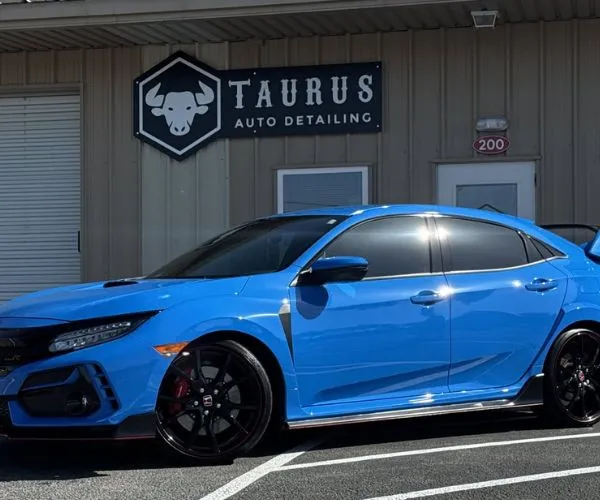
How to Prevent Yellowing, Cloudiness, and Discoloration
Yellowing occurs when ultraviolet radiation, heavy mineral buildup, or petroleum-based chemical residues degrade the film’s top coat and underlying adhesive matrix.
Avoid Petroleum and Solvent-Based Products
Never apply heavy solvent degreasers, harsh tar removers, naphtha-based polishes, or traditional carnauba waxes containing petroleum distillates. These chemical agents penetrate porous polyurethane layers, accelerating yellowing and cloudiness.
Apply a Film-Specific Ceramic Coating or Sealant
Adding a specialized ceramic coating engineered specifically for clear protection film creates an invisible hydrophobic barrier against UV degradation, tree sap, and bird droppings. During a recent audit for a client in Manchaca, TX, applying a film-safe ceramic top coat preserved gloss levels while boosting hydrophobic water-beading performance across extreme summer temperatures.
Investing in high-performance paint protection film in Manchaca shields clear coats against intense seasonal heat and hard mineral deposits, keeping your vehicle looking factory-fresh year-round.
Preventing Peeling and Edge Lifting
Edge lifting occurs when water pressure, aggressive wiping, or improper installation seam placement allows air and debris to lodge under the film perimeter.
Mind Your Pressure Washer Distance
High-pressure power washing is one of the quickest ways to ruin clear film edge seals.
- Maintain Safe Distance: Keep the pressure washer nozzle at least 12 to 18 inches away from the vehicle body.
- Avoid Direct Edge Spraying: Never spray high-pressure water directly at open film seams or wrapped corners at a 90-degree angle. Spray along or over the seam at an angle to avoid forcing water beneath the adhesive layer.
- Keep PSI Moderate: Limit pressure washer settings to 1,500–1,800 PSI with a 40-degree wide fan nozzle.
Treat Wrapped Corners and Seams with Care
When hand-washing or wiping around doors, hood gaps, and fenders, wipe away from the edge rather than dragging towels toward or against the seam. Catching a micro-fiber loop under an open film edge stretches the material and ruins its adhesion.
Safe Removal of Contaminants: Sap, Bugs, and Tar
Tree sap, hard water minerals, bug guts, and tar pose immediate chemical threats to thermoplastic polyurethane.
| Contaminant | Harmful Effect | Safe Removal Method |
| Bug Splatter | Acidic etching into self-healing coat | Soak with warm water and isopropyl alcohol (IPA) 1:1 mixture; gently wipe with plush microfiber. |
| Tree Sap | Hardens and discolors clear top coat | Apply warm water soaks or dedicated PPF-safe bug and sap cleaners; allow to dwell, then rinse gently. |
| Hard Water Spots | Mineral etching under solar heat | Use a diluted PPF-safe water spot remover; apply gently with a soft applicator pad and rinse thoroughly. |
| Road Tar | Deep oily discoloration | Use citrus-based, non-petroleum tar removers formulated specifically for clear protective films. |
Partnering with Precision Professionals for Long-Term Film Care
Maintaining high-end automotive coatings requires expert care and professional support. Working alongside your ultimate partner in auto care ensures your vehicle maintains its showroom brilliance year after year.
Our team relies on highly skilled technicians who bring deep hands-on expertise to every paint care procedure.
By utilizing superior quality materials and tailored services designed around your driving routine, vehicle storage, and local environmental conditions, we consistently yield unmatched customer satisfaction.
Through innovative and expert techniques, we precisely audit film condition, treat intricate wrapped seams, and apply ceramic protection layers that lock in maximum clarity.
Whether you need a routine maintenance wash or complex edge preservation, getting premium paint protection film in Manchaca, TX ensures your vehicle receives expert care every step of the way.
Frequently Asked Questions
How long does paint protection film usually last?
High-quality modern polyurethane films generally last between 5 and 10 years depending on sun exposure, climate conditions, driving frequency, and routine cleaning adherence.
Can you wax over paint protection film?
You should avoid traditional carnauba waxes that contain petroleum distillates or harsh solvents, as they yellow and degrade film adhesives. Use only synthetic sealants or ceramic coatings specifically formulated for clear film.
What should I do if a small edge of my PPF starts lifting?
Do not trim or pull the lifted film yourself. Wash the area gently with warm water, avoid spraying high-pressure water near the seam, and visit a professional installer promptly to reseal or properly trim the lifted section.
Will heat remove light scratches from my protection film?
Yes, premium self-healing protection films utilize heat to clear light surface scratches and micro-swirls. Park the vehicle in direct sun on a warm day or pour warm water (around 120°F) gently over the scratched panel.
Experience the Pinnacle of Automotive Care
Your vehicle deserves more than just an ordinary wash, it deserves expert care and attention. At Taurus Auto Detailing, we are driven by a passion for perfection and a commitment to providing exceptional vehicle protection.
Whether you need professional maintenance for your existing clear film or a brand-new custom protection package, our expert team is here to exceed your expectations.
Take pride and confidence in every drive. Contact us today and experience the finest in auto care!