
When it comes to improving your driving experience, car window tint in Pflugerville is an often overlooked yet Window tinting can make driving more comfortable by helping reduce solar heat and glare while providing UV protection, depending on the film selected. The right window film can improve the cabin experience without requiring the darkest available shade. Understanding heat rejection, visible light transmission, and nighttime visibility can help you choose window tint that fits your driving needs.
How Does Window Tint Improve Driving Comfort?
Sunlight entering through vehicle windows can contribute to cabin heat and uncomfortable glare. Window film can reduce some incoming solar energy and visible light, depending on the product and its installation.
The level of improvement varies with the film, vehicle glass, weather, sun exposure, and other conditions. Tint can help make a vehicle more comfortable, but it will not prevent all interior heating.
Heat Rejection and Cabin Comfort
Window films differ in how effectively they manage solar energy. A film designed for greater solar heat rejection may help reduce the amount of heat entering through treated windows.
When comparing options, review the manufacturer’s performance specifications instead of judging a film by its darkness alone. Vehicle size, parking conditions, ventilation, and air conditioning also affect cabin comfort.
Glare Reduction and UV Protection
Window tint can reduce the amount of visible light entering the cabin, which may help manage glare during bright driving conditions. However, darker film can also reduce visibility when light levels are low.
Some films also provide substantial ultraviolet (UV) protection. Because performance varies by product, check the manufacturer’s documentation before relying on a particular level of UV protection.
Does Darker Window Tint Always Reject More Heat?
No. A darker appearance does not automatically mean a film will provide better heat rejection.
Visible light transmission (VLT) measures the percentage of visible light that passes through the glass and film. A lower VLT generally produces a darker appearance, while a higher VLT allows more visible light through.
Heat rejection is a separate performance consideration. Two films with similar VLT ratings may perform differently when it comes to managing solar energy.
When comparing window tint, consider:
- VLT: How much visible light passes through the treated glass.
- Solar heat performance: How effectively the product reduces incoming solar energy, according to the manufacturer’s stated measurement.
- UV protection: The documented level of ultraviolet radiation blocked by the film.
- Visibility: Whether the selected shade supports comfortable driving in daylight and at night.
- Legal compliance: Whether the complete window-and-film combination meets applicable requirements.
These factors provide a more useful basis for choosing window tint than darkness alone.
Which Window Film Should You Consider?
Different film technologies offer different combinations of appearance and performance. The best choice depends on your priorities, budget, and the specifications of the available products.
Dyed Film
Dyed film uses coloring materials to create a darker appearance. Its solar performance varies by product, so do not assume that a darker dyed film will provide the best heat rejection.
Metalized Film
Metalized film incorporates metallic materials that can reflect some solar energy. Depending on its construction, it may affect certain electronic signals. Check compatibility with your vehicle and electronic equipment before selecting this type.
Ceramic Film
Ceramic film uses ceramic particles to achieve its optical and solar-control properties. Depending on the product, it may offer substantial heat rejection without requiring an especially dark shade.
Rather than choosing a film based on its category alone, compare verified performance specifications, warranty terms, and compatibility with your vehicle. Confirm which options are available from your installer before making a decision.
How Can You Balance Heat Reduction With Night Visibility?
A window tint that looks suitable in daylight may feel different when driving after dark. Darker film allows less visible light through the glass, which can make it more difficult to see in poorly lit areas.
Before choosing a shade:
- Consider how frequently you drive at night.
- Prioritize clear visibility through the windows.
- Check the requirements that apply to each window on your vehicle.
- Ask whether existing factory tint or previously installed film affects your options.
- Avoid assuming that a commercially available tint is automatically legal for every window.
Drivers researching Pflugerville window tinting should consider visibility, film specifications, and applicable Texas tint requirements before choosing a shade.
For vehicles registered or operated in Texas, consult current official state guidance before installation. Requirements vary according to window location and applicable exceptions.
What Should You Check Before Choosing a Window Tint?
A few practical checks can help you compare options and avoid unrealistic expectations.
Review the product specifications. Compare VLT, solar heat performance, and UV protection using manufacturer documentation. Make sure you understand what each measurement represents.
Identify your main priority. You may be focused on reducing cabin heat, managing glare, improving privacy, or changing your vehicle’s appearance. Clarifying your goal makes it easier to compare suitable options.
Inspect the existing glass. Factory-tinted glass, previously installed film, and damaged windows can affect the selection or installation process. Have potential compatibility concerns assessed before applying for a new film.
Understand the warranty and care instructions. Ask what the warranty covers and follow the manufacturer’s recommendations for cleaning and curing. These details can vary by product.
Confirm legal compliance. Check the current requirements for the specific windows being treated. An installer can discuss available options, but official state guidance is the appropriate reference for legal requirements.
If you need help comparing film specifications and selecting an appropriate tint, explore window tinting in Pflugerville for information about the available service.
When Should You Consult a Professional Installer?
Professional advice can be useful when you are unsure which film suits your needs, have an existing tint, or need help comparing product specifications.
An installer can assess the glass, discuss available options, explain relevant performance measurements, and identify potential compatibility concerns. Proper application also matters because contamination, poor adhesion, or installation defects can affect the appearance and clarity of the finished film.
If the existing tint is bubbling, peeling, discolored, or interfering with visibility, have it evaluated before adding another layer. These symptoms may indicate that the film needs attention, but an inspection is necessary to determine the appropriate solution.
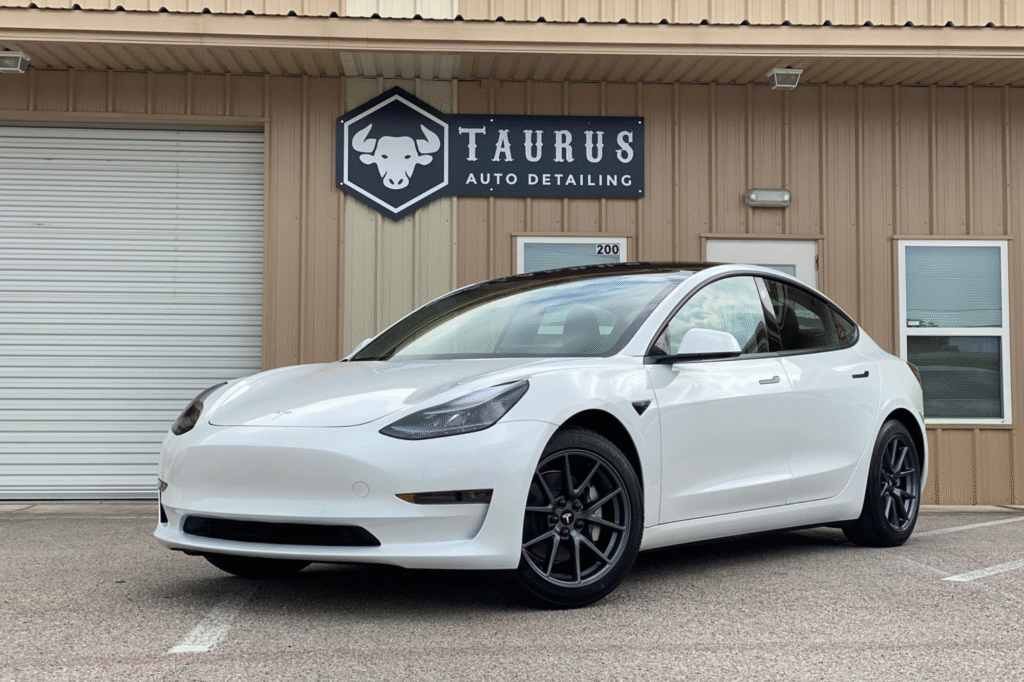
Drivers considering professional window tinting in Pflugerville, TX can discuss available film options and their vehicle’s driving and comfort needs with Taurus Auto Detailing.
Frequently Asked Questions
Does darker car window tint always block more heat?
No. Darkness describes visible light transmission, not heat rejection. Compare the manufacturer’s documented solar-performance specifications when selecting a film.
What is the difference between VLT and heat rejection?
VLT measures how much visible light passes through the glass and film. Heat rejection describes how effectively the product reduces incoming solar energy, depending on the specific measurement used.
Which window tint is best for reducing cabin heat?
There is no universal answer. Compare the performance specifications of the available films, including solar heat rejection, VLT, and UV protection, before choosing an option.
Can window tint reduce glare without making night driving difficult?
Tint can help manage glare, but darker shades also allow less visible light through the windows. Consider your nighttime driving needs and choose a legally compliant shade that supports visibility.
Will window tint keep a parked car cool in direct sunlight?
Window film can reduce solar energy entering through treated glass, but a parked vehicle can still become hot. Parking in shade when available and using a windshield sunshade may provide additional help.
When should existing window tint be inspected?
Bubbling, peeling, discoloration, or visibility problems are reasons to have the film assessed. A professional can help determine whether repair, removal, or replacement is appropriate.
Choose Window Tint Based on Your Driving Needs
Choosing window tint is easier when you understand the differences between visible darkness, solar heat performance, UV protection, and visibility. Taurus Auto Detailing recommends comparing verified product specifications and checking applicable requirements to help you make an informed decision about your vehicle’s comfort.
If you need guidance on available options for your vehicle, contact us today to discuss your needs and learn more about window tinting services.