
Auto window tinting interferes with Tire Pressure Monitoring Systems (TPMS), GPS navigation, and radio reception primarily when metallic-based films are applied to a vehicle’s glass. Traditional metallic window films contain microscopic particles of aluminum, copper, or bronze embedded within their layers, creating a continuous conductive barrier that induces a Faraday cage effect. This barrier actively reflects and disrupts incoming and outgoing radio frequency (RF) signals, interfering with the low-frequency wavelengths used by direct TPMS wheel sensors, high-frequency microwave communications for satellite GPS navigation, and integrated in-glass radio antennas. To eliminate signal attenuation, modern connected vehicles rely on non-metallic nano-ceramic or carbon film technologies, which utilize non-conductive materials that allow electromagnetic waves to pass through unhindered while still providing maximum solar heat and infrared rejection.
How to Identify and Resolve Tint Signal Interference
If your electronics begin acting up after getting new window film, follow this process:
- Audit Your Symptoms: Determine whether the issue is constant (like static on local radio stations) or location-dependent (like GPS losing lock near tall buildings).
- Locate Your Antennas: Check if your vehicle uses an in-glass rear windshield antenna or internal receiver modules placed near window glass.
- Verify Film Composition: Inspect your documentation or contact your installer to confirm whether metallic, hybrid, carbon, or ceramic tint was applied.
- Run a Simple Test: Lower your tinted windows while experiencing signal loss to see if your GPS or radio connection improves instantly.
- Switch to Non-Metallic Film: Replace metallic tint with advanced nano-ceramic film to eliminate signal blocks while retaining maximum heat protection.
Comparing Film Technologies and Electronic Compatibility
Different film types interact with onboard electronics in distinct ways:
| Film Technology | Primary Material | Heat Rejection | Signal Interference |
| Dyed Film | Organic Dyes | Low to Moderate | Zero |
| Metallized Film | Micro-metallic Particles | High | Severe (AM/FM, GPS, TPMS) |
| Hybrid Film | Dye & Metal Blend | Moderate to High | Moderate |
| Carbon Film | Carbon Nanoparticles | High | Zero |
| Nano-Ceramic Film | Non-metallic Ceramics | Superior | Zero |
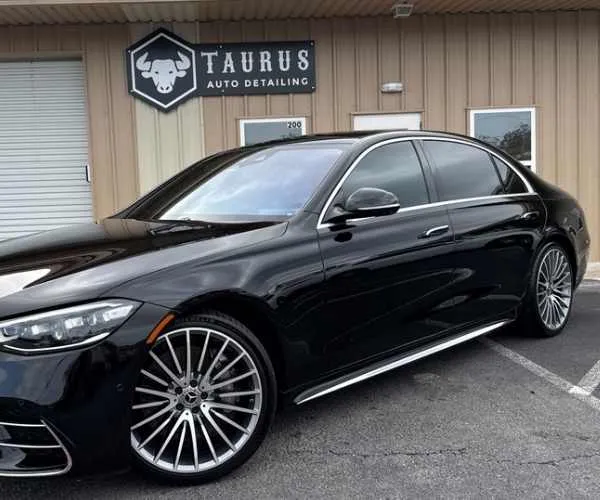
How Metallic Tint Blocks Vehicle Telemetry
Here is an expanded, in-depth version of that section that provides deeper technical insight, maintains a smooth narrative flow, and seamlessly incorporates the target keyword constraint (maximum 1 focus keyword per paragraph):
When shopping for window tinting in Austin, TX, vehicle owners should understand that metallic particles embedded within traditional window film formulations directly interrupt radio frequency transmissions. Modern automobiles rely on a continuous exchange of wireless data to operate smoothly, but conductive metal layers inside tint act as an electro-magnetic shield. As radio waves try to penetrate the glass, these micro-metallic particles absorb and reflect the signal, causing severe attenuation across multiple frequency bands.
Direct Tire Pressure Monitoring Systems (TPMS) are particularly vulnerable to this signal degradation. Wheel-mounted sensors broadcast intermittent 315 MHz or 433 MHz radio bursts directly to an internal receiver module located inside the vehicle cabin. When a metallic-based film covers the rear glass or quarter windows, it intercepts these low-power signals before they reach the control unit, frequently triggering false dashboard warnings or system fault lights.
Global Positioning System (GPS) modules and satellite navigation units require an unobstructed line of sight to orbiters floating over 12,000 miles in space. These delicate, high-frequency microwave signals are easily scattered by metallic window treatments. Drivers with metallized film often experience frustrating navigation delays, inaccurate vehicle tracking on maps, extended satellite lock-on times, or complete route dropouts when traveling through dense coverage areas.
In-glass AM/FM radio antenna grids, which are embedded directly into the glass of many modern rear windshields, suffer the most immediate loss of performance. Covering an integrated antenna element with conductive, metallized tint disrupts its ability to capture radio waves. Long-wavelength AM broadcasts degrade into heavy static, while high-frequency FM and satellite radio channels experience frequent cutouts, buffering glitches, and reduced range.
Precision Solar Protection for Modern Vehicles
Choosing high-performance window tinting in Austin requires selecting a film that keeps your vehicle’s digital systems running smoothly while blocking intense solar heat.
- At Taurus Auto Detailing, we position ourselves as your ultimate partner in auto care by assessing your car’s electronic layout before starting any installation.
- Our highly skilled technicians understand how window film chemistry interacts with sensitive vehicle electronics.
- We use superior quality materials, focusing exclusively on non-conductive nano-ceramic films that protect your cabin without disrupting wireless signals.
- Our tailored services ensure that every glass piece is cut and fitted to match your car’s exact specifications.
- This rigorous attention to detail guarantees long-lasting performance and unmatched customer satisfaction.
- Through innovative and expert techniques, our team delivers precision installations that protect your vehicle’s glass, seals, and embedded antenna lines.
- Drivers in Manchaca seeking premium Austin window tinting can count on expert service that preserves clear signals across all onboard systems.
People Also Ask
Does ceramic window tint interfere with GPS or cellular signals?
No. Ceramic window tint uses non-metallic nanoparticles that allow radio frequencies, cell signals, and satellite connection waves to pass through without interruption.
How can I tell if my existing window tint is blocking my TPMS or radio?
If radio static, GPS delays, or tire pressure warning lights start appearing right after a tint installation, metallic or hybrid film is likely blocking your receiver.
Why did my radio reception get worse after getting my rear window tinted?
Many modern cars feature radio antennas embedded directly in the rear glass. Applying metallic film over these antenna lines blocks incoming radio signals.
Will carbon window tint interfere with my radar detector or keyless entry?
No. Carbon window tint contains zero metallic elements, making it completely safe for radar detectors, keyless entry remotes, and cellular signals.
Upgrade Your Solar Protection with Taurus Auto Detailing
At Taurus Auto Detailing, we take pride in delivering meticulous care and dependable results for every car we service. As dedicated partners in your vehicle care journey, we carefully select premium, non-conductive ceramic films that provide maximum heat rejection, flawless optical clarity, and absolute zero signal interference across all your GPS, TPMS, and radio systems.
Our team treats every vehicle with the highest standard of quality, ensuring your glass is protected against harsh sun exposure without compromising your car’s modern digital performance. Drive away with total pride and confidence, knowing your vehicle looks its absolute best and operates exactly as engineered.
Ready to elevate your vehicle’s protection? Contact us today.