
For serious car enthusiasts in Austin, preserving their vehicle’s appearance and value is essential. One of the best wPaint protection film (PPF) helps car enthusiasts preserve their vehicle’s paint by reducing damage from road debris, stone chips, and minor surface abrasions. It can be particularly useful for owners who want to maintain their car’s appearance while continuing to drive it regularly. Whether PPF is worthwhile depends on driving conditions, coverage preferences, paint condition, and budget.
What Makes Paint Protection Film Worth Considering for Car Enthusiasts?
For car enthusiasts, a vehicle’s paintwork is an important part of its overall appearance. However, everyday driving exposes painted surfaces to stones, road debris, insect residue, and other hazards that routine washing cannot prevent.
PPF is a transparent urethane film applied to selected painted surfaces. It creates a physical barrier that helps reduce certain types of paint damage.
Its potential benefits include:
- Reduced paint chipping: Helps protect vulnerable panels from small stones and road debris.
- Paint preservation: Helps maintain the underlying finish by limiting exposure to certain everyday hazards.
- Minor surface-mark reduction: Some films feature self-healing topcoats that can reduce the appearance of light surface marks under appropriate conditions.
- Flexible coverage: Owners can explore protecting specific vulnerable areas or a larger portion of the vehicle.
PPF does not make a vehicle damage-proof. Its purpose is to reduce certain types of paint damage, not eliminate every risk associated with driving.
Which Vehicles Benefit Most From Paint Protection Film?
PPF may be suitable for many vehicles, but its value can vary depending on how a vehicle is driven and maintained.
New and Recently Purchased Vehicles
Owners who want to preserve factory paint may consider PPF before significant chips or scratches develop. Starting with paint in good condition can also simplify preparation before installation.
Vehicle owners considering paint protection film in Austin, TX can evaluate their driving habits, paint condition, and coverage priorities before choosing a protection option.
Sports Cars and Performance Vehicles
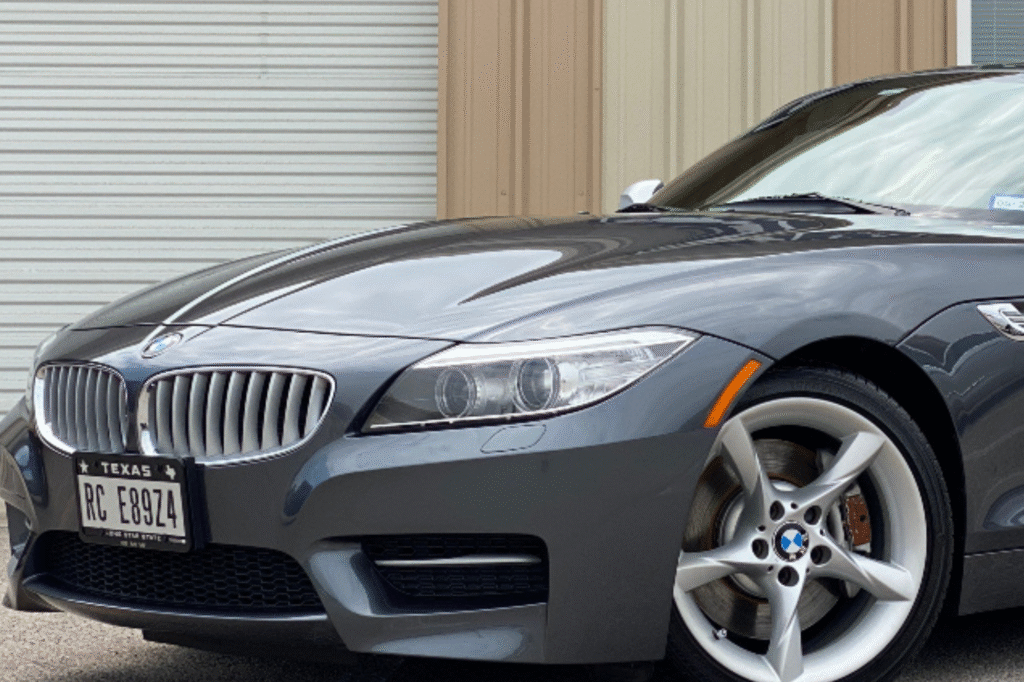
Front bumpers, hoods, and other exposed painted surfaces can encounter debris during highway travel and everyday driving. Targeted coverage may help reduce the risk of visible paint damage.
Daily Drivers and Highway Vehicles
Frequent commuting can increase exposure to loose gravel, road debris, and construction areas. Drivers who regularly encounter these conditions may benefit from protecting the panels most exposed to impact.
Collectible and Carefully Maintained Vehicles
Owners who prioritize preserving a vehicle’s original appearance may consider PPF as part of their paint-protection strategy. Suitability depends on the existing finish, vehicle condition, and ownership goals.
How Much of Your Vehicle Should You Protect?
The appropriate coverage depends on your priorities, driving habits, and budget. Common PPF coverage approaches include:
- Partial-front coverage: Protects selected front-end areas, depending on the package.
- Full-front coverage: Typically covers a broader selection of front-end panels, potentially including the front bumper, hood, fenders, and side mirrors.
- Full-vehicle coverage: Extends protection across a wider range of painted surfaces.
Exact coverage varies by installer and package. Ask Taurus Auto Detailing which options are available for your vehicle and which panels each option includes.
If road debris is your primary concern, prioritizing exposed front-end panels may be a practical starting point. If your goal is to protect more of the vehicle’s painted surfaces, broader coverage may be worth considering.
If you are comparing coverage options, learning more about paint protection film in Austin can help you understand the available service options for your vehicle.
Before making a decision, ask how panel edges are finished, which areas remain exposed, and how the proposed coverage aligns with your driving habits.
What Are the Limitations of Paint Protection Film?
Understanding PPF’s limitations helps set realistic expectations before installation.
- It cannot prevent all impact damage. Severe impacts, large stones, and collisions can damage the film and the paint underneath.
- It does not eliminate every scratch. Certain films can reduce the appearance of minor surface marks, but deeper scratches and cuts may remain.
- It does not repair existing paint defects. Chips, scratches, peeling a clear coat, and other imperfections may still be visible beneath clear film.
- It requires appropriate care. Abrasive cleaning tools, unsuitable products, and careless pressure washing near film edges can contribute to wear or lifting.
- It may eventually need replacement. Film condition depends on product specifications, installation quality, environmental exposure, and maintenance.
PPF also involves an upfront cost. Whether that investment makes sense depends on the vehicle, coverage selected, and owner’s priorities. Preserving paint condition may support a vehicle’s presentation when it is sold, but increased resale value or a guaranteed financial return should not be assumed.
Is Paint Protection Film Better Than Ceramic Coating?
PPF and ceramic coating serve different primary purposes.
Paint protection film provides a physical barrier that helps reduce certain types of impact and abrasion damage. Ceramic coating primarily adds a protective surface layer that can improve water behavior, make cleaning easier, and provide resistance to some contaminants.
Ceramic coating should not be considered a substitute for PPF when the main concern is stone chips. Similarly, PPF does not replace the surface-maintenance benefits associated with ceramic coating.
Some vehicle owners choose to apply a compatible ceramic coating over PPF. Compatibility and care requirements depend on the specific products used, so confirm suitability with the manufacturers or installer before combining them.
What Should You Check Before Installing PPF?
Before proceeding with installation, consider these practical steps:
- Inspect the paint condition. Identify existing chips, scratches, repainting, peeling, or other defects that could affect the finished result.
- Define your protection goals. Decide whether you are primarily concerned about front-end damage, broader paint preservation, or maintaining a particular finish.
- Compare available coverage. Ask which panels are included and which vulnerable areas will remain exposed.
- Review product information. Check the film’s care instructions, warranty terms, and stated limitations.
- Discuss installation and maintenance. Ask how the vehicle will be prepared, how existing defects will be addressed, and how to care for the film afterward.
Professional assessment is especially useful when the vehicle has existing paint damage, previous repainting, or a finish that may require special consideration.
When Should You Consult a PPF Professional?
Consider consulting a professional when you want to protect a newly purchased vehicle, are unsure which coverage option suits your driving habits, or need advice about existing paint defects.
An installer can assess the visible paint condition, discuss your priorities, and explain suitable coverage options. This helps establish realistic expectations before installation.
Consulting an Austin paint protection film installer can help you assess your vehicle’s paint condition, discuss coverage priorities, and understand appropriate installation considerations.
Frequently Asked Questions
Is paint protection film worth it for a daily driver?
It can be worthwhile for daily drivers that regularly encounter highway debris, gravel, or construction areas. Its value depends on driving conditions, coverage, and the owner’s priorities.
Which vehicles benefit most from PPF?
New vehicles, sports cars, highway commuters, and carefully maintained collectible vehicles may benefit from PPF. Suitability depends on the vehicle’s condition and the owner’s protection goals.
Should I protect the entire car or just the front?
Front-end coverage may be practical when road debris is the main concern. Full-vehicle coverage protects more painted surfaces, but the appropriate option depends on your priorities and budget.
Can PPF be installed over existing paint damage?
Installation may be possible, but existing chips, scratches, peeling clear coat, or previous paintwork can affect the result. Have the surface assessed before installation because PPF does not repair underlying paint defects.
What damage can PPF not prevent?
PPF cannot reliably prevent every scratch, dent, collision, or severe impact. It is designed to help reduce certain types of surface damage rather than make the vehicle’s finish invulnerable.
Is PPF better than ceramic coating for preventing rock chips?
PPF is generally the more appropriate option for reducing rock-chip damage because it provides a physical barrier. Ceramic coating primarily supports surface protection and easier maintenance rather than impact resistance.
Make an Informed Decision About Paint Protection Film
Choosing PPF starts with understanding your vehicle’s condition, driving habits, and protection priorities. The appropriate coverage can help reduce certain types of paint damage without requiring every owner to choose the same package. Taurus Auto Detailing provides paint protection film services for vehicle owners exploring their protection options.
Contact us today to learn more and discuss your vehicle’s needs with a professional.